India Will Build Its Own Generative AI Models in 6 to 8 Months, Says IT Minister Vaishnaw
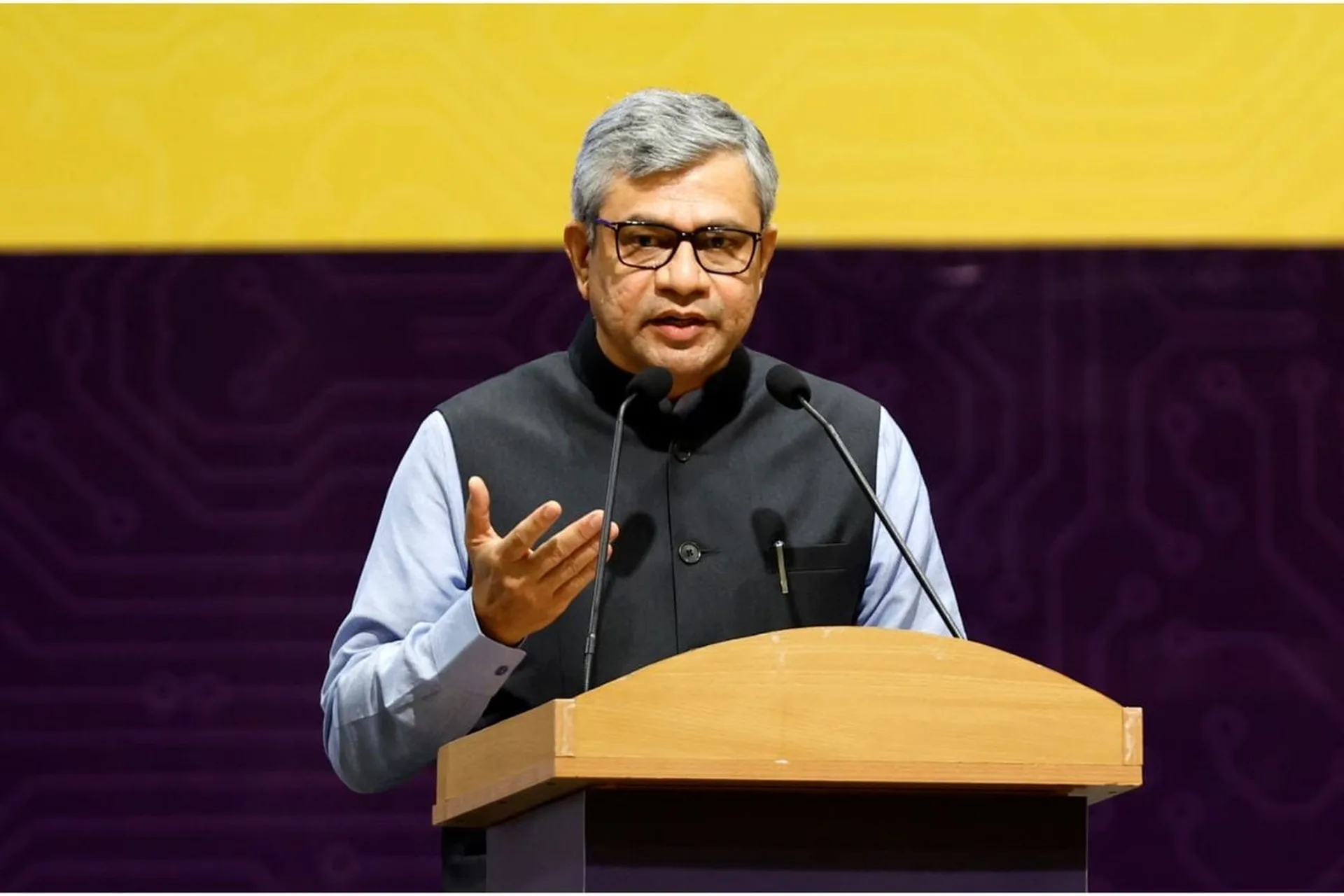
India will build its own native generative AI models within six to eight months, Union IT Minister Ashwini Vaishnaw has announced. Speaking at the Utkarsh Odisha Conclave on Thursday, the minister said the country is moving from using other countries' AI models to building its own — and revealed that DeepSeek's R1 model is already running on local Indian servers while experts evaluate it.
It is the clearest timeline the government has given for home-grown Indian AI models, and it lands in a week when global AI news has been dominated by American and Chinese companies. Here is what was announced, and what it means for Indian users and developers.
Quick summary
- India will develop native generative AI models in six to eight months, IT Minister Ashwini Vaishnaw announced at the Utkarsh Odisha Conclave.
- DeepSeek's R1 model has been implemented on local Indian servers, and experts are currently evaluating its technical report.
- The announcement was made on Thursday, November 26, 2026, as part of the government's push for Indian-built AI rather than relying on foreign models.
- Anthropic's Claude Duet has also just launched in India in research preview, for Pro, Max and Ultra subscribers via a waitlist.
- No details were given about which organisation will build the models, what they will be called, or how they will be released.
What did Ashwini Vaishnaw actually announce?
Speaking at the Utkarsh Odisha Conclave, Vaishnaw said India will build native generative AI models within six to eight months. The announcement is part of the IndiaAI mission's push for sovereign AI capability — models built in India, on Indian infrastructure, rather than depending entirely on models from the US or China.
The minister also revealed that DeepSeek-R1 — the Chinese open model that shook the AI industry — has been implemented on local Indian servers, and that experts are currently evaluating its technical report. That is a notable detail: rather than just talking about building models, the government is already running a leading open model on Indian hardware and studying how it works.
What was not announced is just as important. There is no name for the Indian models, no named builder, no word on whether they will be open or closed, and no detail on what they will be trained on or what they will be used for first. A six-to-eight-month timeline for a frontier generative model is ambitious by any standard — the announcement is a statement of intent, and the proof will be in what ships next year.
What else is happening in India AI this week?
The Vaishnaw announcement is not the only India AI news. Anthropic has released Claude Duet in India in research preview — its AI assistant is now available to Indian users on Pro, Max and Ultra plans, via a waitlist, with a standalone app on the App Store and Google Play. India joins Indonesia, Brazil and Japan as the latest markets to get it after the US.
It is a busy week for Indian AI users generally: Google's Gemini Live Guided Vision has rolled out to iPhone users, OpenAI has brought ChatGPT Health to Android, and Meta's Muse AI assistant is now integrated into Instagram DMs. The Indian market is clearly a priority for every major AI company right now — which is exactly why the government wants Indian-built models of its own.
What this means for you
For now, not much changes: the models do not exist yet, and the six-to-eight-month timeline means the earliest you would see anything is mid-2027. But if you are an Indian developer, student or startup building on AI, this is worth watching — home-grown models could eventually mean lower costs, better support for Indian languages, and less dependence on foreign providers and their pricing. The DeepSeek-R1 detail is the most concrete part of the announcement: Indian servers are already running a frontier open model, and the people evaluating it are the same people who will build what comes next.
Frequently asked questions
When will India build its own generative AI models?
IT Minister Ashwini Vaishnaw said India will develop native generative AI models within six to eight months, announcing the timeline at the Utkarsh Odisha Conclave on November 26, 2026.
What is DeepSeek-R1 doing on Indian servers?
Vaishnaw revealed that the DeepSeek-R1 model has been implemented on local Indian servers, and experts are currently evaluating its technical report.
What is Claude Duet, and is it available in India?
Claude Duet is Anthropic's AI assistant, now available in India in research preview for Pro, Max and Ultra subscribers via a waitlist, with a standalone app on iOS and Android.
Who will build India's native AI models?
The government has not said which organisation will build the models, what they will be called, or whether they will be open or closed. Those details have not been announced yet.
Why does India want its own AI models?
To reduce dependence on foreign AI models from the US and China, and to build AI capability on Indian infrastructure — including better support for Indian languages and use cases.
Related articles
 ChatGPT and Codex Will Share One Usage Li…
 Epic Games CEO Tim Sweeney Calls Claude "…
 Anthropic Stock Has Fallen Below Its $83…
 OpenAI Says GPT-6 Can Design New Proteins…