SpaceX Just Got the Go-Ahead to Launch 1 Million Data-Center Satellites into Orbit
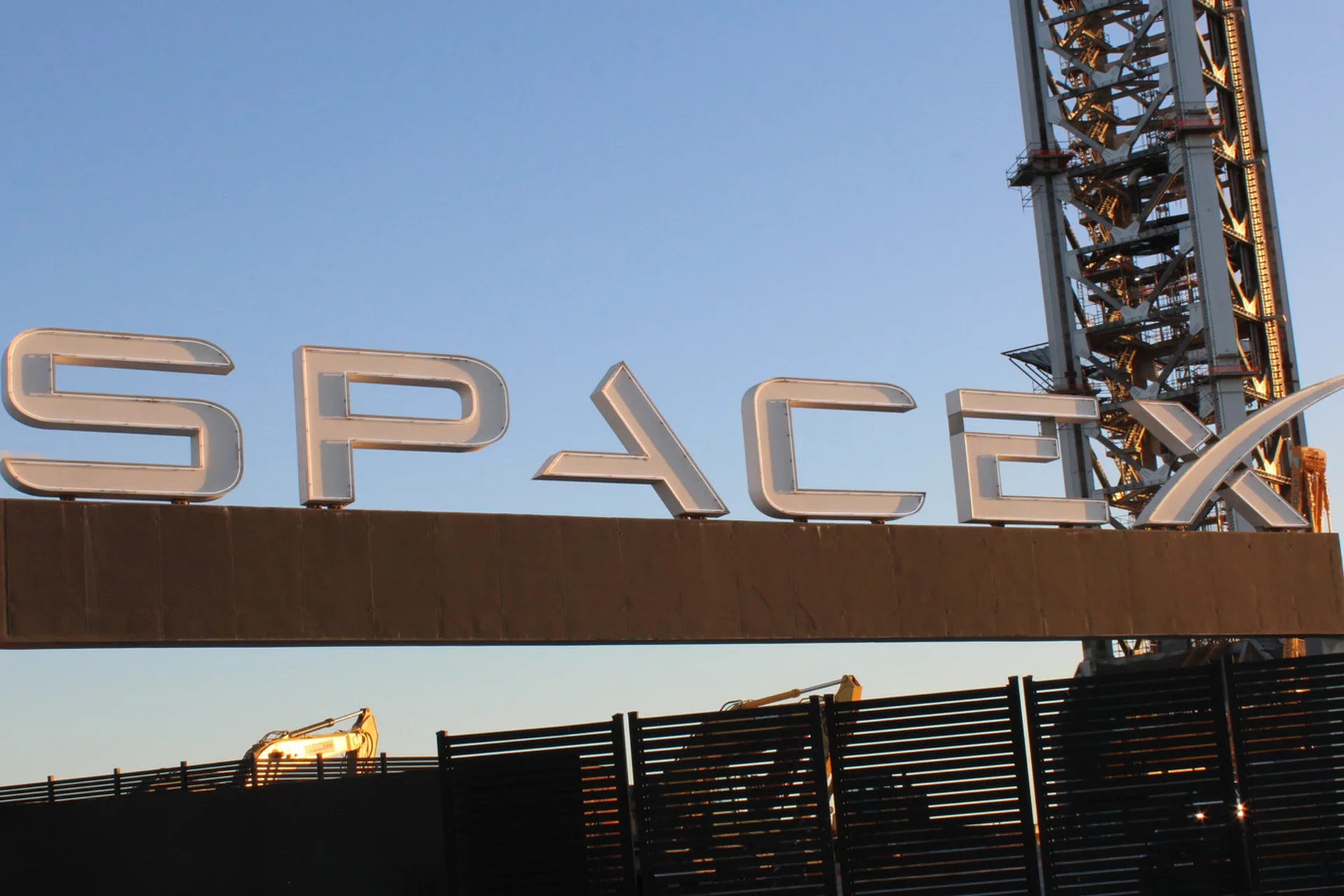
The US Federal Communications Commission has authorised SpaceX to deploy one million satellites that will work as data centers in space. The constellation, called Starmind, would process AI workloads in orbit using solar power — and if it is ever fully built, it would increase the number of satellites in orbit roughly 50-fold. Scientists are sceptical. SpaceX says the first satellites could launch as early as 2027.
The approval, granted on November 25, is the first of its kind in US history. But an authorisation is not a launch: SpaceX has until 2040 to put the full constellation up, and its own IPO filing warned the technology is "unproven" and "may not achieve commercial viability".
Quick summary
- The FCC has authorised SpaceX to deploy up to 1 million satellites for orbital AI data centers, in a constellation called Starmind.
- The satellites would sit in shells at 500 to 1,002 km altitude, communicating over optical links, with radio frequencies reserved for backup telemetry only.
- Deadlines: first satellite by November 2033, 100,000 by 2035, 500,000 by 2038, and the full million by 2040.
- SpaceX says the first Starmind spacecraft could launch in the third quarter of 2027, and is manufacturing them in partnership with Nvidia.
- Scientists are sceptical about the scale — only about 17,000 satellites are in orbit today — and have raised concerns about astronomy and orbital debris.
- SpaceX itself has warned investors that space-based data centers rely on "unproven" technology and may never be commercially viable.
What is Starmind, and why put data centers in space?
Starmind is SpaceX's plan to move AI computing off the ground. Instead of building data centers that need land, water for cooling and huge amounts of grid electricity, the satellites would capture solar energy in space and process AI workloads in orbit, sending the results back to Earth. SpaceX describes it as "capturing solar energy in space to power low-cost, high-performance AI compute for Earth".
The idea is not new — Elon Musk has been musing about it for about a year, and Google and Blue Origin are pursuing similar goals — but the FCC authorisation is the first time any regulator has approved a full constellation of orbital data centers. The FCC said the network would help meet "rapidly growing demand" for AI computing power.
The order, DA 26-1273, was adopted and released on November 25, the day before Thanksgiving. It grants SpaceX radio-frequency authority for backup and emergency telemetry, tracking and command only — the satellites themselves will communicate over optical (laser) links. SpaceX also sought a waiver to move old satellites into graveyard orbits above 600 km instead of burning them up in the atmosphere; the FCC did not approve every aspect of the proposal.
How big is 1 million satellites, really?
Enormous — and that is the part scientists are questioning. There are currently only about 17,000 satellites in orbit. Starmind alone would add a million, deployed into orbital shells each spanning 50 km at altitudes from 500 to 1,002 km, in 30-degree and sun-synchronous inclinations.
The FCC's own schedule shows how gradual the build-out would be: at least one satellite by November 25, 2033, 10% (100,000) by November 2035, 50% by November 2038, and the full constellation by November 2040. SpaceX is more optimistic: founder Elon Musk said at a Baron Capital talk that he anticipates the first Starmind spacecraft launching in the third quarter of 2027, and the company is manufacturing the spacecraft in partnership with Nvidia.
Astronomers have raised concerns about what a million bright satellites would do to the night sky and to ground-based telescopes, and debris experts have questioned whether the constellation is consistent with orbital debris rules — though the FCC's order says it is. Whether SpaceX actually builds anything close to a million satellites is a separate question: the authorisation sets a ceiling, not a commitment.
What this means for you
Nothing changes tomorrow — no Starmind satellite has launched, and the first one is not expected before late 2027 at the earliest. But the approval matters for two reasons: it is a regulatory green light for the idea that AI compute can live in orbit, and it sets up the next decade of arguments about who gets to fill the sky. If you follow space or AI, Starmind is now the biggest "what if" on the board. Gamers should note the Nvidia connection too: the same AI hardware boom driving GPU prices is now literally going to space.
Frequently asked questions
What is SpaceX Starmind?
Starmind is SpaceX's planned constellation of up to 1 million satellites that work as data centers in space, processing AI workloads in orbit using solar power and sending results back to Earth.
When will SpaceX launch the first Starmind satellite?
The FCC requires at least one satellite by November 2033. Elon Musk has said he anticipates the first launching in the third quarter of 2027 — much earlier than the deadline.
How many satellites are in orbit today?
Only about 17,000. A full Starmind constellation of 1 million would increase that roughly 50-fold.
Why are scientists sceptical about Starmind?
They have raised concerns about the effect on astronomy and the night sky, orbital debris, and whether the technology is commercially viable — a caution SpaceX itself made in a regulatory filing ahead of its June IPO.
Who is building the Starmind satellites?
SpaceX is manufacturing the Starmind spacecraft in partnership with Nvidia.
Related articles
 One Solo Developer Built a DLSS Rival — a…
 She Stole a Fighter Jet in GTA 6 With Her…
 Proton 11.0-3 Is Out: 15 More Windows Gam…
 Tidal Is Deleting 29 Million AI-Generated…